The Case Against Meal Prep
May I de-influence you from meal prep culture, and inspire you to prioritize consuming fresh(er) food.
Debbie WestApril 22, 202610 min read
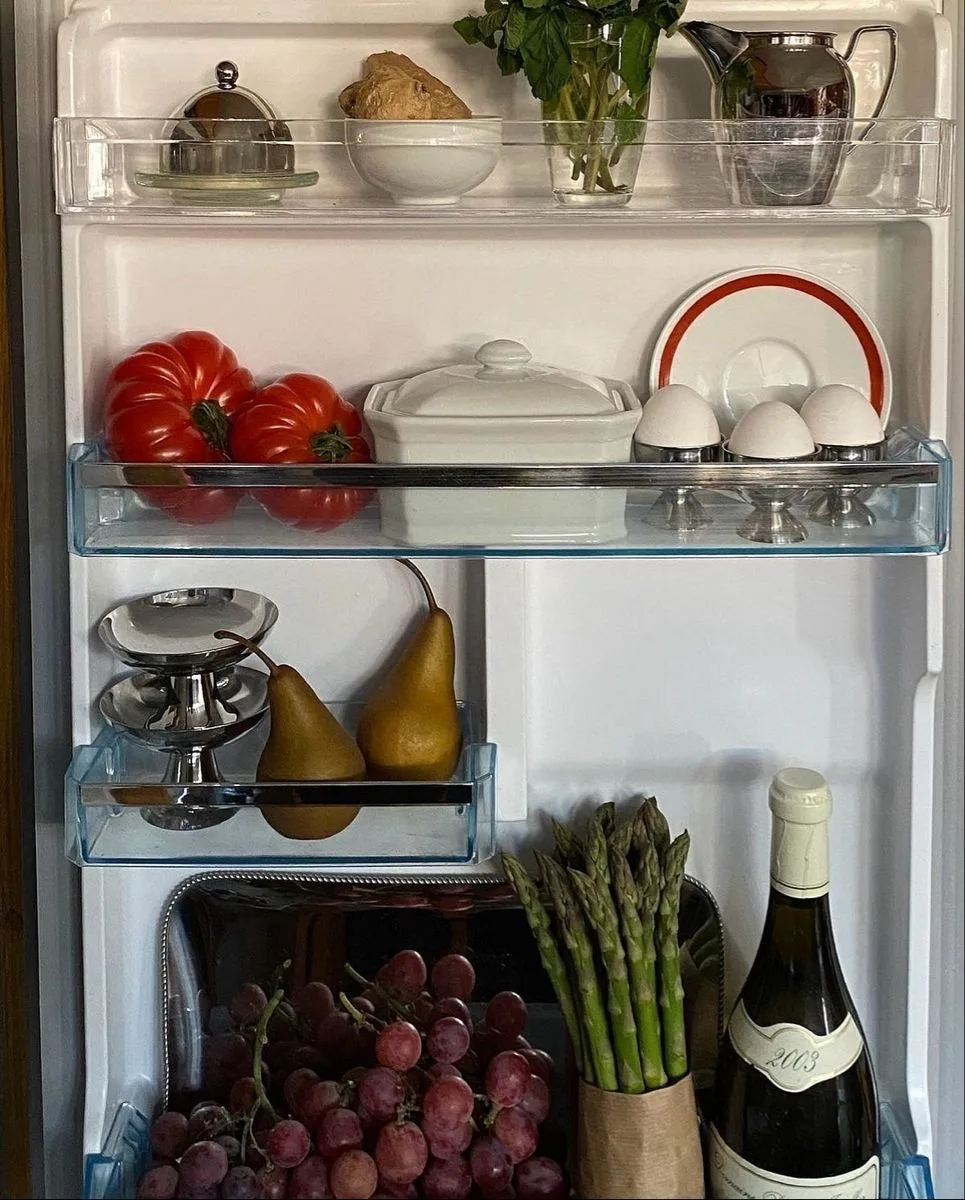
Meal prepping has become the new standard - step one to getting your nutrition on track and avoiding dependence on takeout. We’re buying 10+ glass containers from Amazon, and on Sunday comes the mission: prepping all our meals for the next 5 days. Marinated proteins, salads, and various bowls. Packing each meal neatly into its own vessel and popping it in the fridge to linger for 1 to 5 days...or longer. Easily accessible and ready to microwave or consume as is.
I worked as a private chef for families for about a year, coming once a week to prepare 4–6 dishes they could rely on throughout the week. The first thing I’d do when I arrived was toss out anything leftover from the previous week - and on multiple occasions the families would say, “Hey, where did that food go?” They were planning on eating something that had been sitting in the fridge for over 7 days, leaving me visibly confused. I wished I could come cook for them twice or three times a week for a couple of hours, rather than coming once a week and cooking for six. What’s the point of a healthy meal service if you’re not eating it fresh?
I understand that people want to rely less on restaurant food and consume mostly home-cooked meals. But I’m not sure they realize the downsides of eating something that’s been sitting in the fridge for so long.
Fresh food contains Prana. Eating home-cooked food is great, but where are the benefits if you’re pulling it out of the fridge after multiple days?
During my nutrition program, I studied Ayurveda - and one of the many simple but profound principles that stayed with me was: eat only freshly cooked food. So obvious but also easier said than done in our modern world. In India, multigenerational households and domestic help have long made it possible to prepare meals fresh three times a day. But for the average person juggling full-time work, exercise, a social life, and some semblance of rest? Different story.
Fresh food contains Prana. Eating home-cooked food is great, but where are the benefits if you’re pulling it out of the fridge or freezer after multiple days, consuming it cold, or worse - always zapping it in the microwave? If your goal is nutrient density, digestibility, and eating for optimal energy, this is not the way.
Cooking three times a day may not be realistic for you right now. My hope is that these tips help you shift from cooking once or twice a week to cooking every day, or at least every other day. Small, sustainable changes in how you approach the kitchen can make fresher eating more achievable than it sounds.
Here are some of the habits I’ve adopted - ways of enjoying more fresh and nutritious food throughout the week, while working, studying, and not feeling overburdened.
Set realistic goals. Prioritizing health requires making sacrifices to build new habits. You’ve already committed to spending an entire Sunday cooking, so why not divide that time across multiple days throughout the week, even if it means adjusting your schedule slightly? Don’t expect to suddenly cook every other day starting now. Set realistic goals. This could mean preparing a batch of food twice a week, then a couple of weeks later aiming for three times, and eventually moving toward cooking every other day - or every day. It doesn’t need to be perfect, but the effort needs to be consistent.
Prepare simpler meals. Many of the viral recipes I come across look delicious and nutritious. However, a lot of them are also overly complicated, with too many ingredients and too many steps. I don’t blame creators, they probably feel the need to post something unique to keep followers engaged. Every now and then I enjoy cooking something special that takes a bit longer. But when it comes to day-to-day meals, I keep it really simple. For new habits to stick, they need to be practical. Prioritize recipes with fewer ingredients, fewer dishes, fewer steps - soups, stews, steamed foods, sheet pan dinners. Cooking this way is also gentler on the body. Eating out is fun, but not always so fun for digestion. Our everyday staple meals should be simple; quality ingredients make any dish shine.
Think about what takes the most time in your kitchen (washing and cutting vegetables, maybe?). Personally, I do better with, and suggest to clients, a less vegetable-heavy diet. I prefer to get my phytonutrients and antioxidants from fruits and herbs, as they’re easier to digest. Aside from aromatics, I rarely include more than one or two vegetables in a meal. For me, that means less time in the kitchen and better digestion.
You can find 25-minute meals on Instagram or YouTube and start experimenting. I suggest sticking to meals that share similar ingredients throughout the week so you’re buying less variety. For example: make a batch of chicken stock to prepare a soup, use the leftovers to cook grains, and keep the meat to shred and add to various bowls. Keep track of your favourites and rely on them when you’re hungry and underprepared.
Learn to cook based on what you have on hand. This takes practice if you’re new to cooking, but it’s an essential skill. To be hungry, look in the fridge and pantry, and figure out what can be made from what you’ve already got - in a relatively short amount of time. Take photos of meals and document everything. There will be successes and failures throughout this process, but you need to keep track of the wins. It’s all about having ideas to reference when you’re already hungry and need some inspiration. For me, this often looks like: a variation of soup, egg dishes, sardine dishes, kitchari, a simple veg thali, protein with steamed starchy vegetables, sheet pan dinners, or pasta.
Document which meals work. Starting a reference of your favourite recipes is essential. Not scrolling through things you saved on Instagram or flipping through a cookbook - but keeping one document with all your favourite simple recipes, neatly formatted and categorized. I use AI for this: I’ll take a screenshot of a recipe in an Instagram caption, or a photo of a recipe from a cookbook, and have it reformatted to add to my library. Because in those moments when we’re hungry, deciding what to cook can feel exhausting - and that’s when we’re most likely to order in. Referencing your recipe library makes this process so much easier.
Always keep certain foods on hand. I prefer to buy less groceries more often, because I don’t like wasting food. But there are certain ingredients I like to always have in stock - grains, legumes, or spices in the pantry, and meat or seafood in the freezer. Throwing together a simple meal becomes much more practical when you have a solid inventory of staples. Your staple foods will depend on the types of meals you prepare most often. I’d suggest keeping a list of your staple ingredients somewhere - it will evolve over time, but it’s a helpful resource when meal planning and grocery shopping.
Some things I always keep stocked: bone-in chicken, Greek yogurt, preserves, ground beef, water-packed sardines, grains, legumes, olive oil, butter, ghee, staple spices, sourdough, aromatics, and root vegetables.
Also - learn how to store these foods properly so they last longer. One of my pet peeves is seeing open packages in someone’s pantry, not properly sealed. Please - keep your pantry items in jars, containers, or at least tightly closed with an elastic band. It preserves freshness, taste, and nutrients.
Expedite the cooking process. The best advice I can give here: invest in an Instant Pot or slow cooker. For the most part, you’re literally throwing everything in the pot and then it’s set it and forget it. I’m not big on unnecessary appliances, but the Instant Pot has been, dare I say - a life-changing purchase for me. I spend way less time in the kitchen. On top of that, slow-cooked, warm, water-based meals draw more nutrients out of the food, are easier to digest, and have a deeper concentration of flavour. If you’re used to always roasting, frying, or sautéing - let me convert you to more water-based cooking. Your skin, gut, and overall vitality will thank you. In Traditional Chinese Medicine, consuming warm, slow-cooked foods is a fundamental principle. This way of eating supports spleen qi - the source of blood in the body and the first step in converting food into energy.
Don’t eat food that’s been sitting in the fridge for more than 48 hours. This doesn’t include preserves, produce, or specific ingredients that keep longer. I’m referring to pre-cooked meals - soups, stews, salads, proteins, whatever it may be. 48 hours is the rule I’ve found to work. It’s a realistic amount of time to store food in the modern age, short enough that it won’t significantly affect the vitality, nutrition, or taste of the meal. Some things may not even last two days - fish or rice, for example, I wouldn’t leave for more than 24 hours. Baked goods, of course, can be stored for longer. And if you make a big batch of stew and know you won’t get through it in 48 hours, freeze half of it in portions. (Not in a glass container - it often shatters when frozen.)
Reduce your dependence on the microwave. Microwaves are extremely convenient, but at what cost? They remain a controversial topic, some argue they’re harmless, others suggest that much of the vitality, enzymes, flavour, and certain nutrients are lost. If you rely on a microwave to heat most of your meals, I’d suggest a self-experiment: no microwaving for two weeks. Note any improvements in your physical energy or digestion and report back.
Reheating without a microwave is actually really simple, it just takes a couple of extra minutes. Fill a pot with about an inch of water, place a steamer tray inside (a metal ring for a mason jar works well too), set your bowl of food on top, put a lid on, and steam for a few minutes until hot. This also works easily in an Instant Pot. If it’s a matter of work lunches, an alternative is to heat your food in the morning and carry it in a thermos (remember our moms doing this for us?). Or prepare a meal that can be enjoyed at room temperature - a salad bowl with protein, carb, and veg, for example.
These are the habits that have helped me prepare fresh food for my boyfriend and I, and meaningfully cut our Uber Eats bill each month. I hope you find this useful, and I’d love to hear about any habits or tips I may have missed that have helped you.
Originally published on the West Holistic Substack. Subscribe there for new essays, or browse the archive.